4 min
20 Feb 26
Crypto fear index falls to 10 as Strait of Hormuz tensions rise
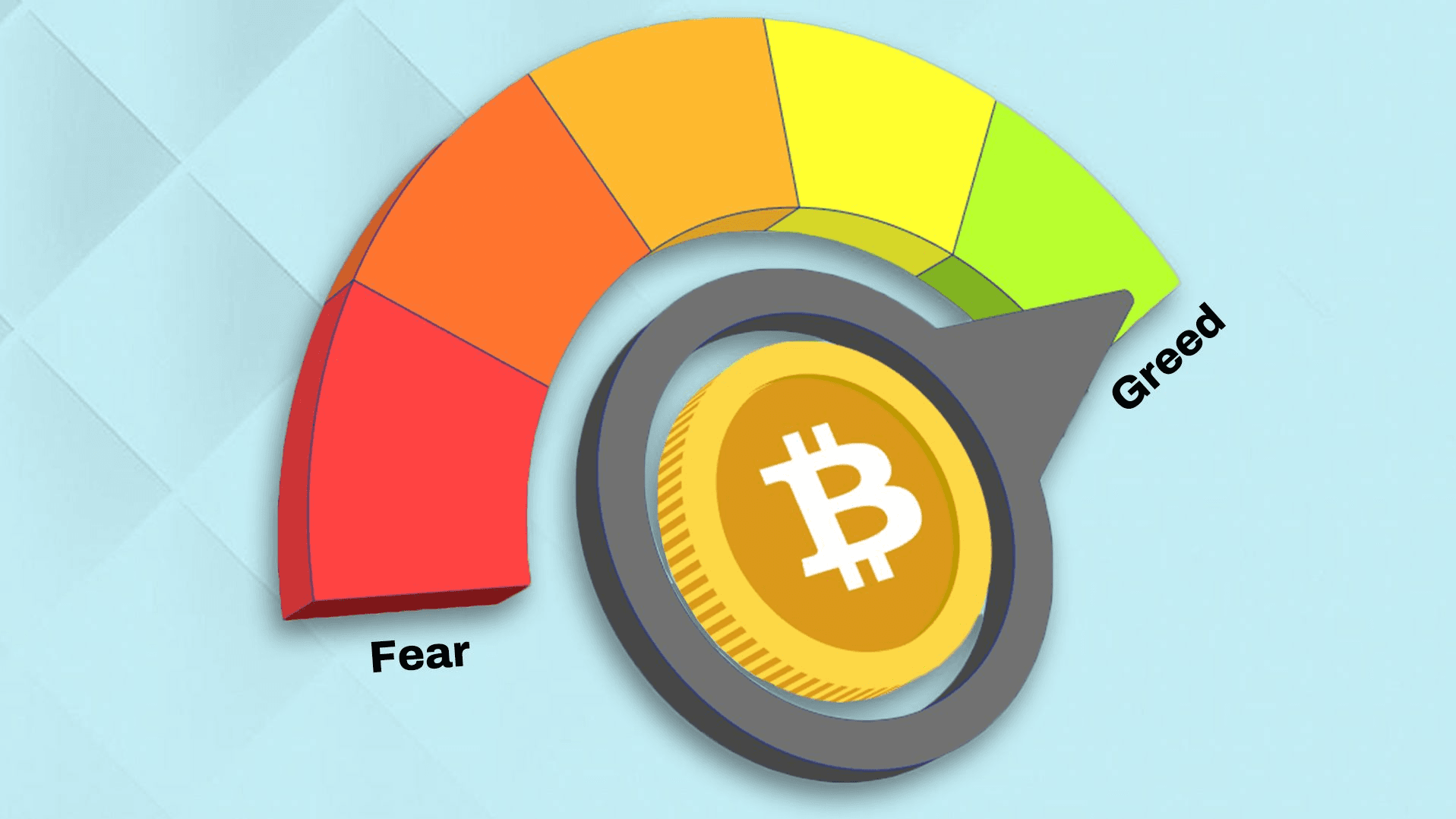

Understanding the Crypto Fear Index: Recent Decline Amid Middle Eastern Tensions
The cryptocurrency market has been a hotbed of volatility, strongly influenced by global geopolitical events and economic indicators. This week, the Crypto Fear and Greed Index—a tool used by investors to gauge market sentiment—fell from 12 to 10 in response to rising geopolitical tensions in the Middle East. This decline was largely attributed to military drills conducted by Iran that led to a temporary shutdown of the Strait of Hormuz, a vital conduit for global oil transportation. As these tensions between Iran and the United States have escalated, they have reverberated across global markets, impacting key economic drivers like energy costs, which subsequently affect the cryptocurrency ecosystem.
The Strategic Importance of the Strait of Hormuz
The Strait of Hormuz is a strategic chokepoint in global oil transport, through which approximately 31% of all seaborne traded oil passes. When tensions flare up in this region, the ramifications are felt worldwide, particularly in energy markets. Disruptions in the Strait typically lead to a spike in oil prices, which in turn increases energy costs for industries worldwide, including Bitcoin mining—a fundamentally energy-intensive process. The implications of these events are critical for miners, who may have to rethink their operations to maintain profitability when faced with costly energy inputs.
Impact on Bitcoin Mining Operations
Bitcoin mining requires vast amounts of energy, and any increase in energy prices can severely affect the bottom line for miners. As energy costs rise, miners might have to scale down operations or potentially liquidate their holdings to meet operational expenses. This not only affects individual mining operations but can also have broader implications on the entire cryptocurrency market. The need for some miners to liquidate holdings quickly can lead to an oversupply in the market, depress cryptocurrency valuations, and affect market liquidity—a clear example of how external geopolitical events can have far-reaching effects on market dynamics.
The Broader Geopolitical Context
The recent military exercises conducted by Iran occurred amid a charged geopolitical backdrop where diplomatic relations with the United States are particularly tense. Meetings between Iranian and U.S. officials recently took place in Geneva, suggesting an effort to navigate these tensions through dialogue. The outcomes of these negotiations could either exacerbate or relieve tensions, thereby influencing market sentiments and investment behaviors globally. Failure to reach a diplomatic resolution could lead to further market instability, whereas successful talks might restore investor confidence and buoy cryptocurrency valuations.
Market Reactions Amid Awaited Economic Data
In addition to geopolitical instability, cryptocurrency trading volumes have remained low as investors cautiously anticipate forthcoming U.S. economic data, specifically the durable goods report and Personal Consumption Expenditures (PCE) data. These reports are pivotal for traders, who often look at such economic indicators to inform their market positions and strategies. The intersection of these macroeconomic factors with geopolitical events creates a complex market environment that requires investors to be astutely aware of global developments when making trading decisions.
The Role of Macro Factors in Cryptocurrency Markets
The sensitivity of digital assets to macro factors—like geopolitical tensions and economic conditions—has become increasingly evident in recent months. Cryptocurrencies, often seen as risk-on assets, can experience significant volatility in light of such global developments. This ongoing interplay between market sentiment and external influences underscores the importance for traders and investors to maintain a well-informed, nuanced view of both micro and macroeconomic conditions that could impact their investments.
As cryptocurrency market dynamics continue to evolve, staying informed about global geopolitical developments and economic indicators will be paramount for investors looking to navigate and succeed in an often unpredictable financial landscape.